The day starts with a 4:30 a.m. wakeup call for our flight from Quito to San Cristobal Island by way of Guayaquil. At the airport our bags are checked for any fruit or plants and sealed. You can’t bring anything that might be harmful to the Galápagos environment. By mid-morning we are heading out over the Pacific.
After checking into Gran Hotel Paraiso Insular, we meet our Galapagos guides (Jose and Lorenzo) have a swordfish lunch at the hotel, get a briefing on the Galápagos National Park rules (do not touch the wildlife!), and then have some free time in the middle of the day to unwind. (I’m writing part of this post from the top floor balcony of the hotel, overlooking the Pacific Ocean, and enjoying a cool afternoon breeze).
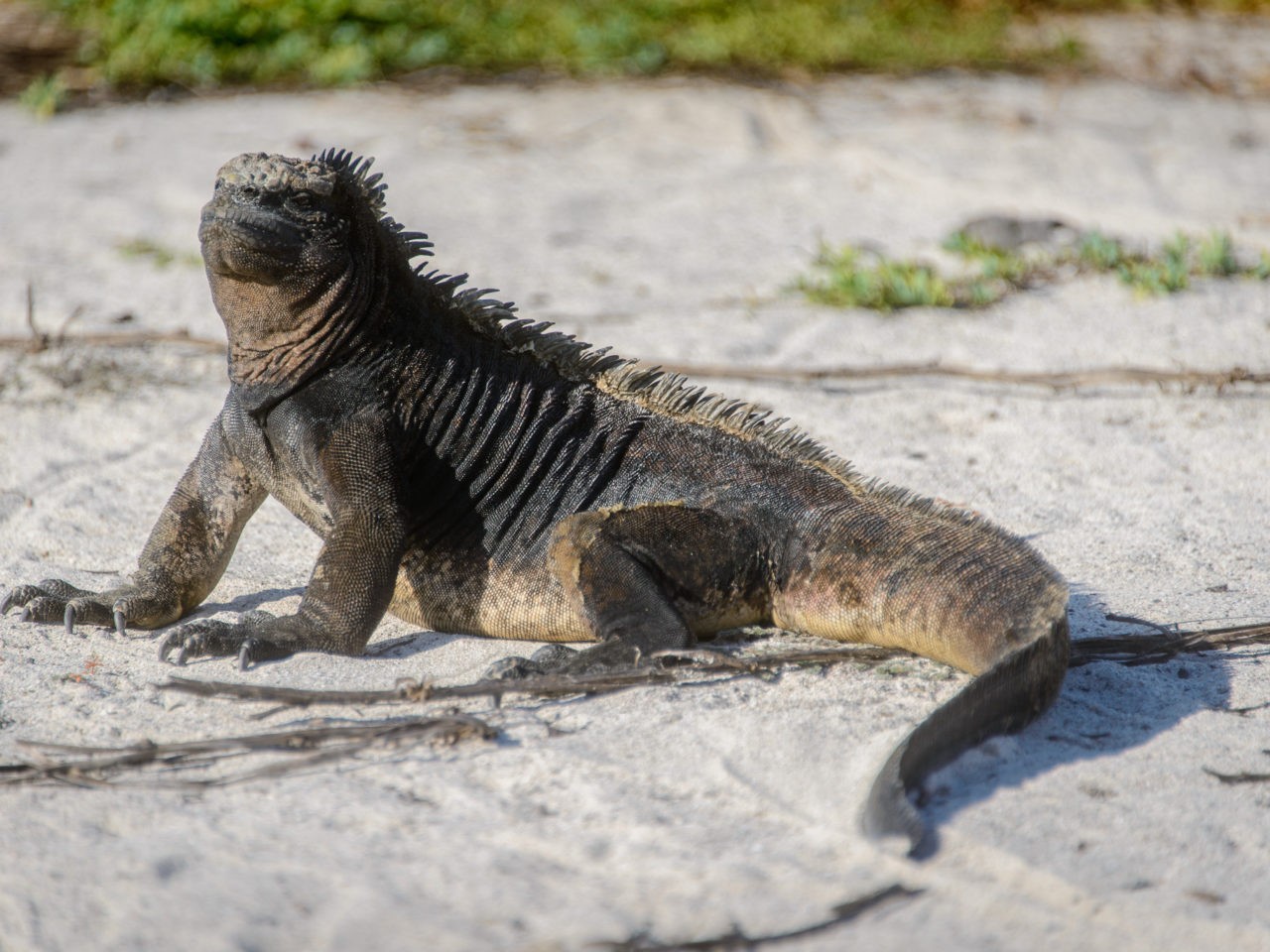
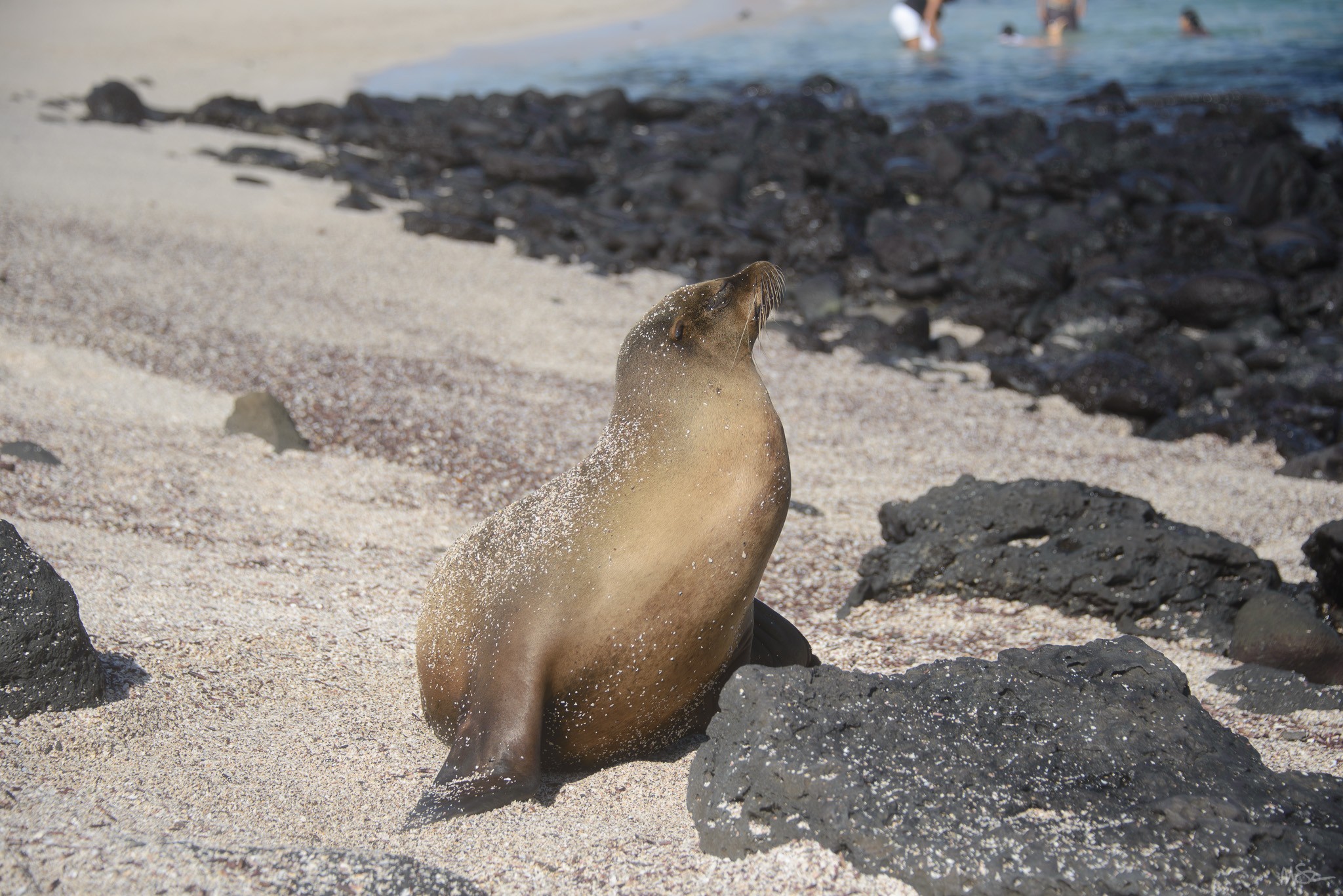
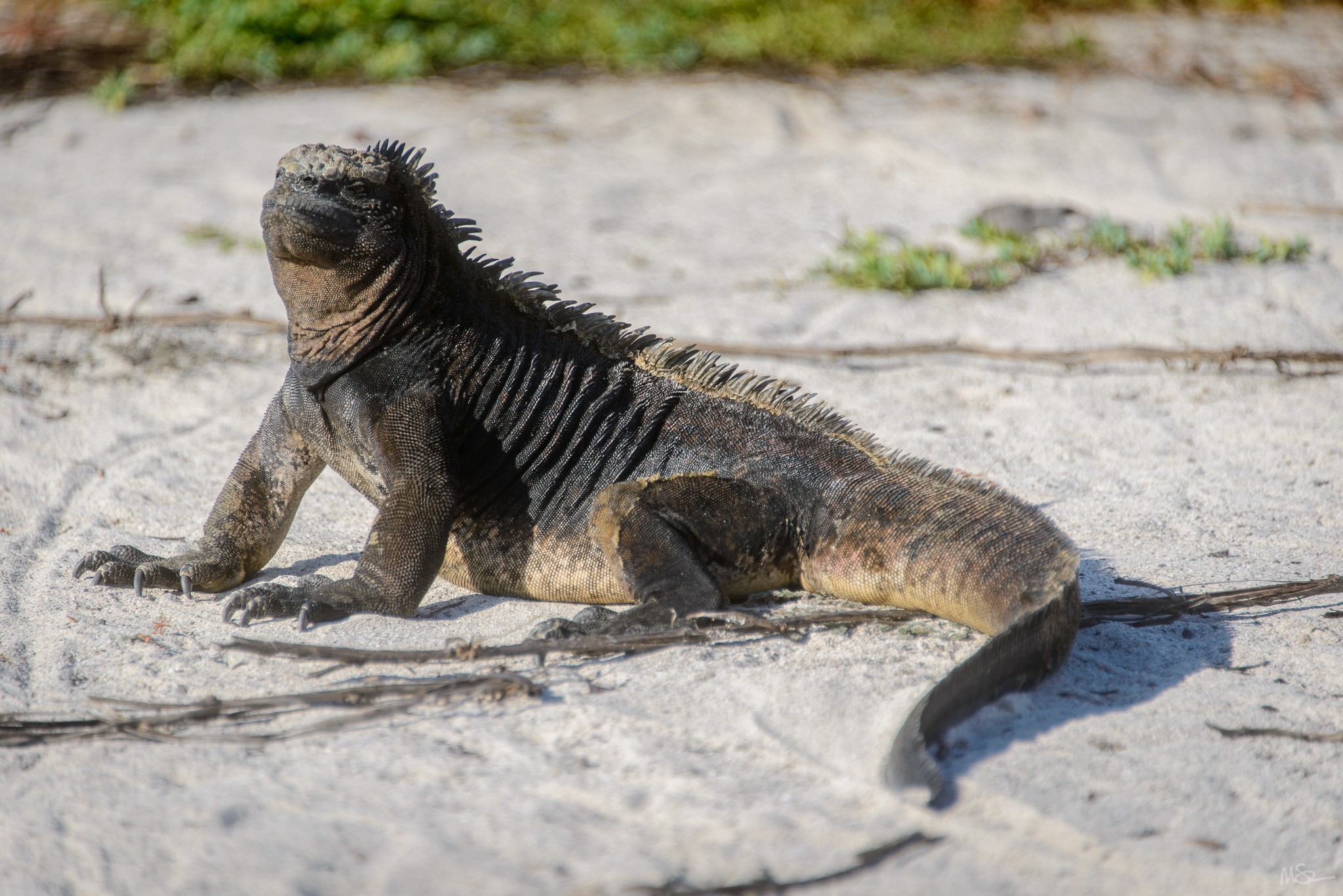
In the mid-afternoon we head to La Loberia Beach and see sea lions, marine iguanas, and lava lizards.
After La Loberia Beach there is time to hang out at the hotel before dinner at a local beachfront restaurant …
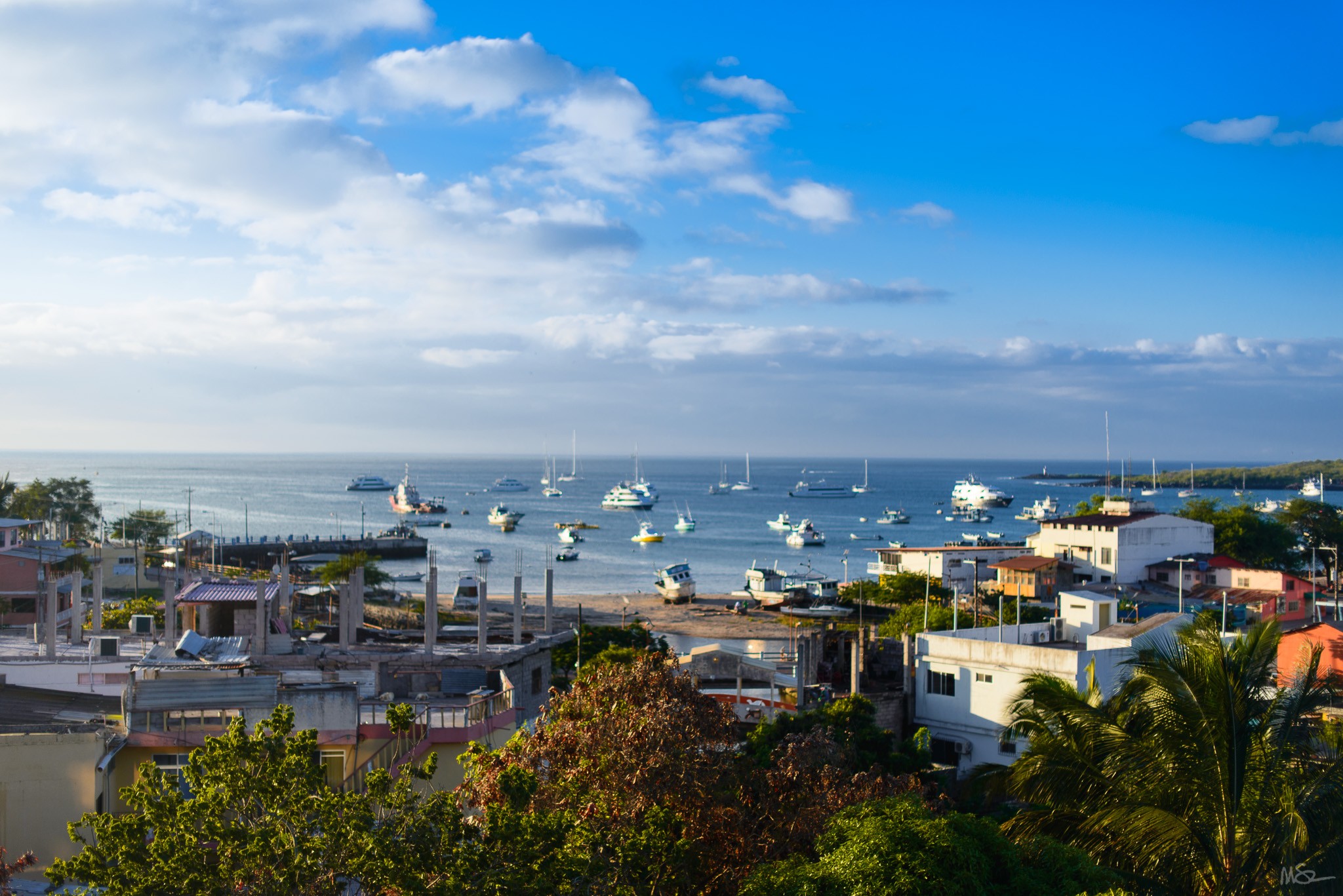
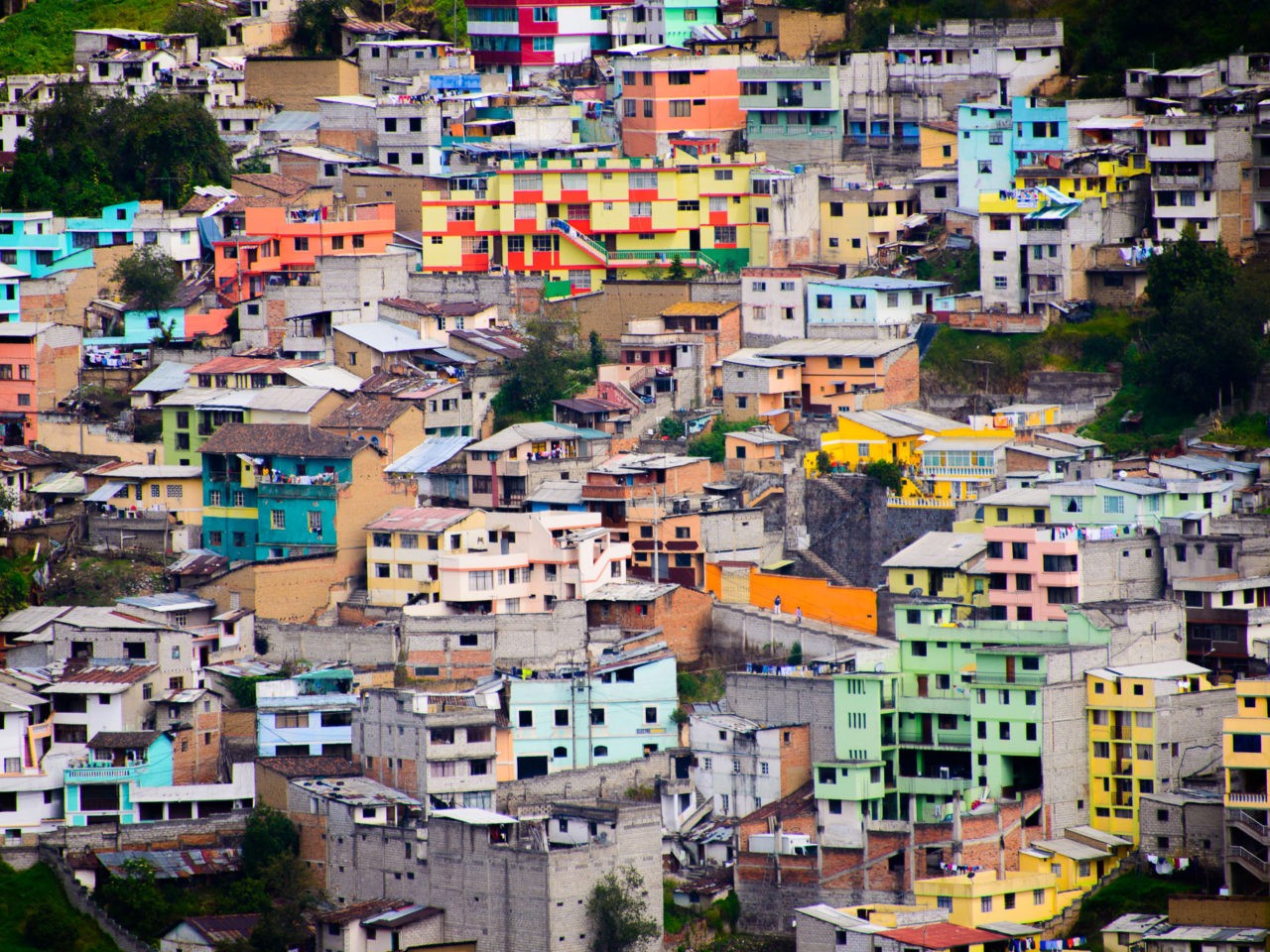
We began our day of Quito sightseeing with a visit to El Panecillo and view of Quito from above the city.
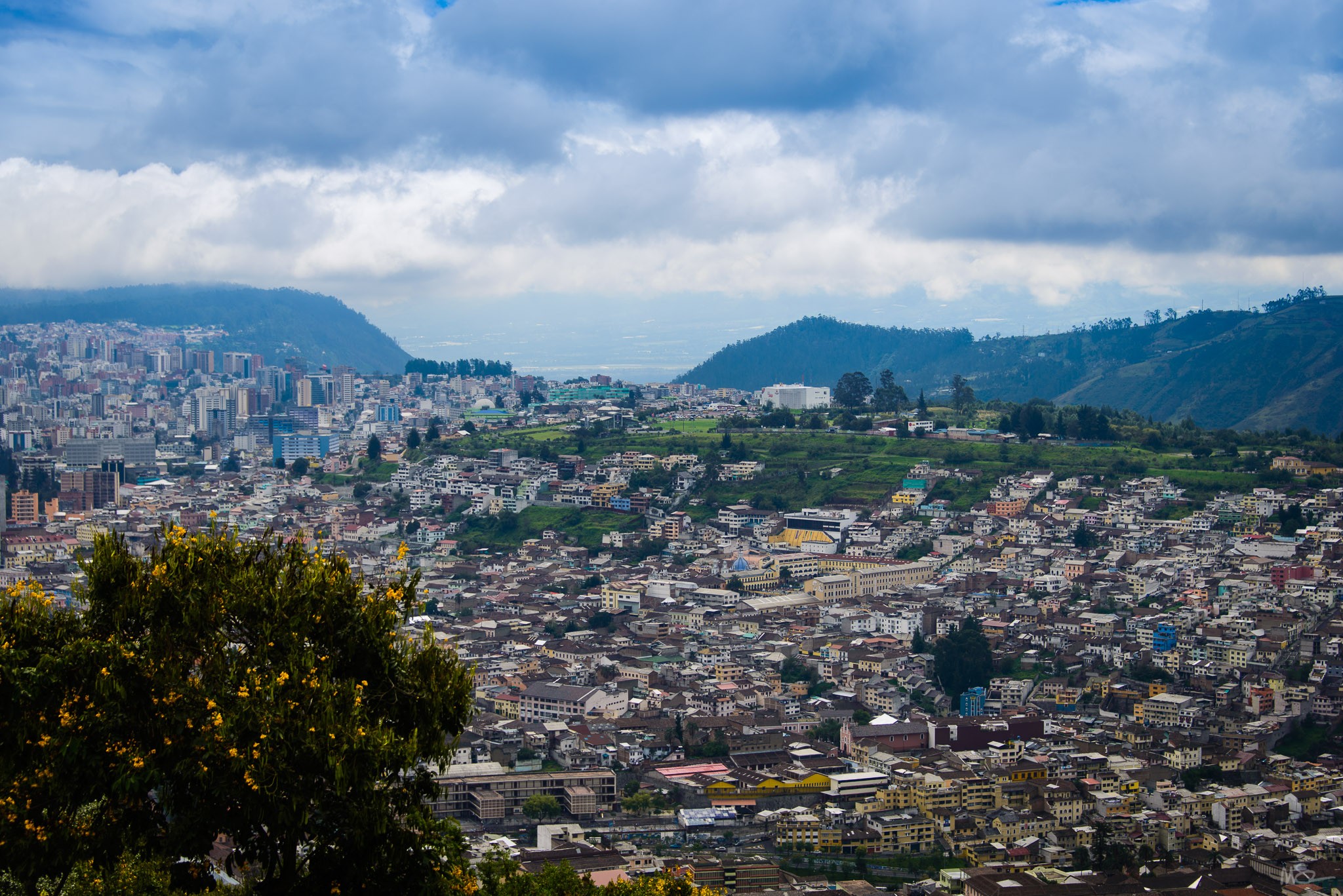
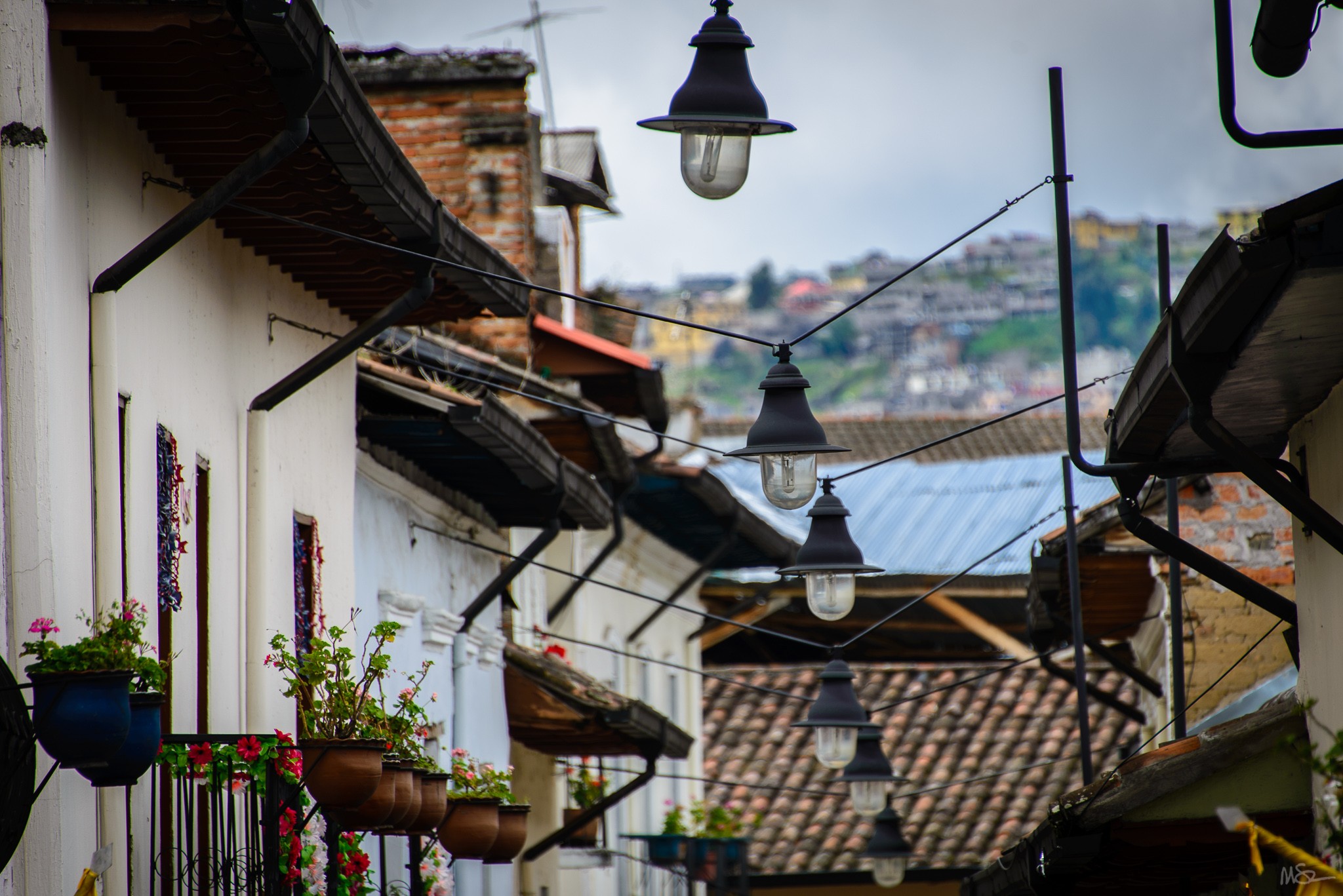
Next we walked Quito’s Old City …
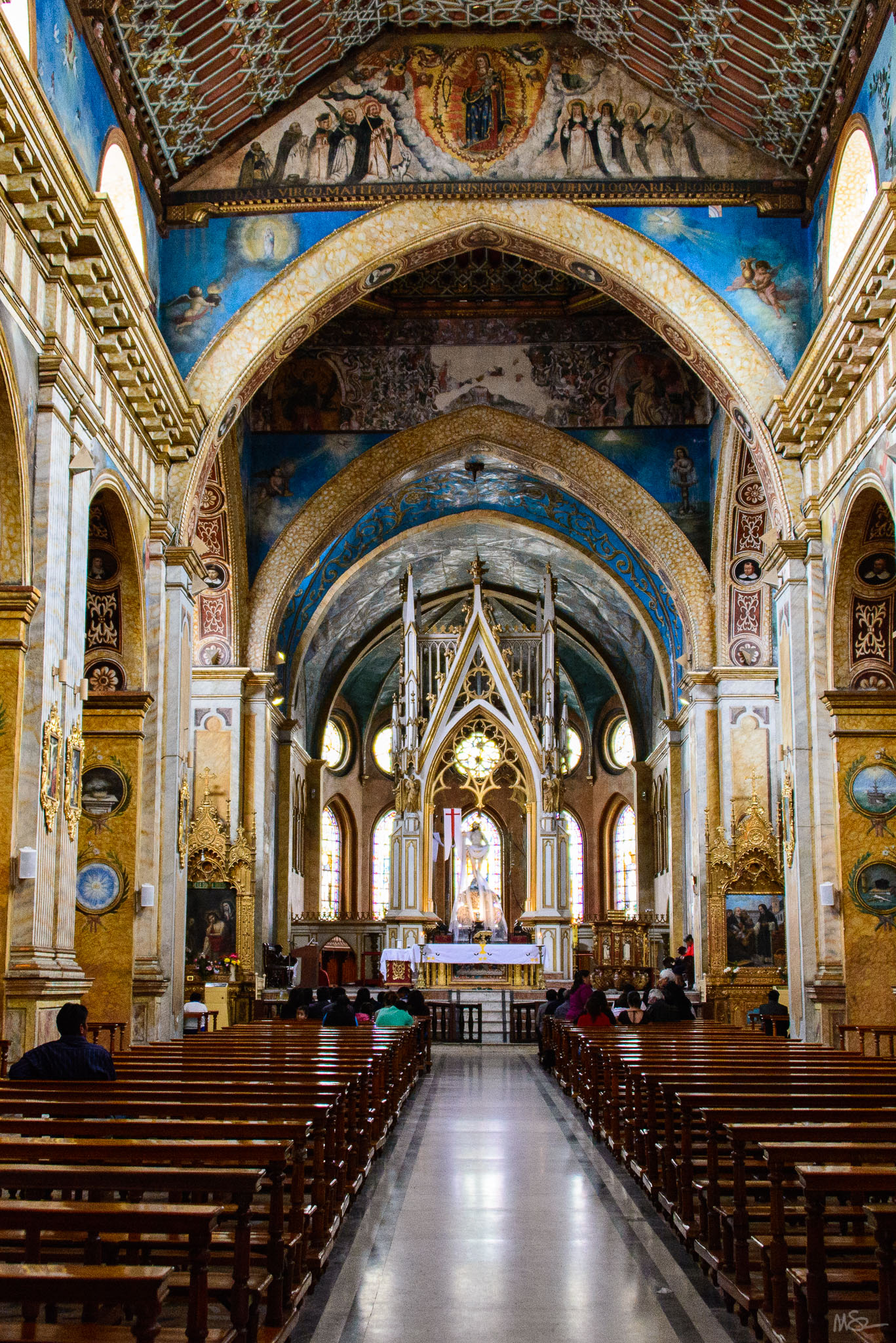
… and saw Independence Plaza, Government Palace, San Francisco Church, and the beautiful Santa Domingo Church.
After an hour long bus ride across the city we had a late, but authentic, lunch at Restaurante Cochabamba. Our last stop today was the equator and a chance to stand in both the northern and southern hemisphere at Mitad del Mundo – the equator monument.
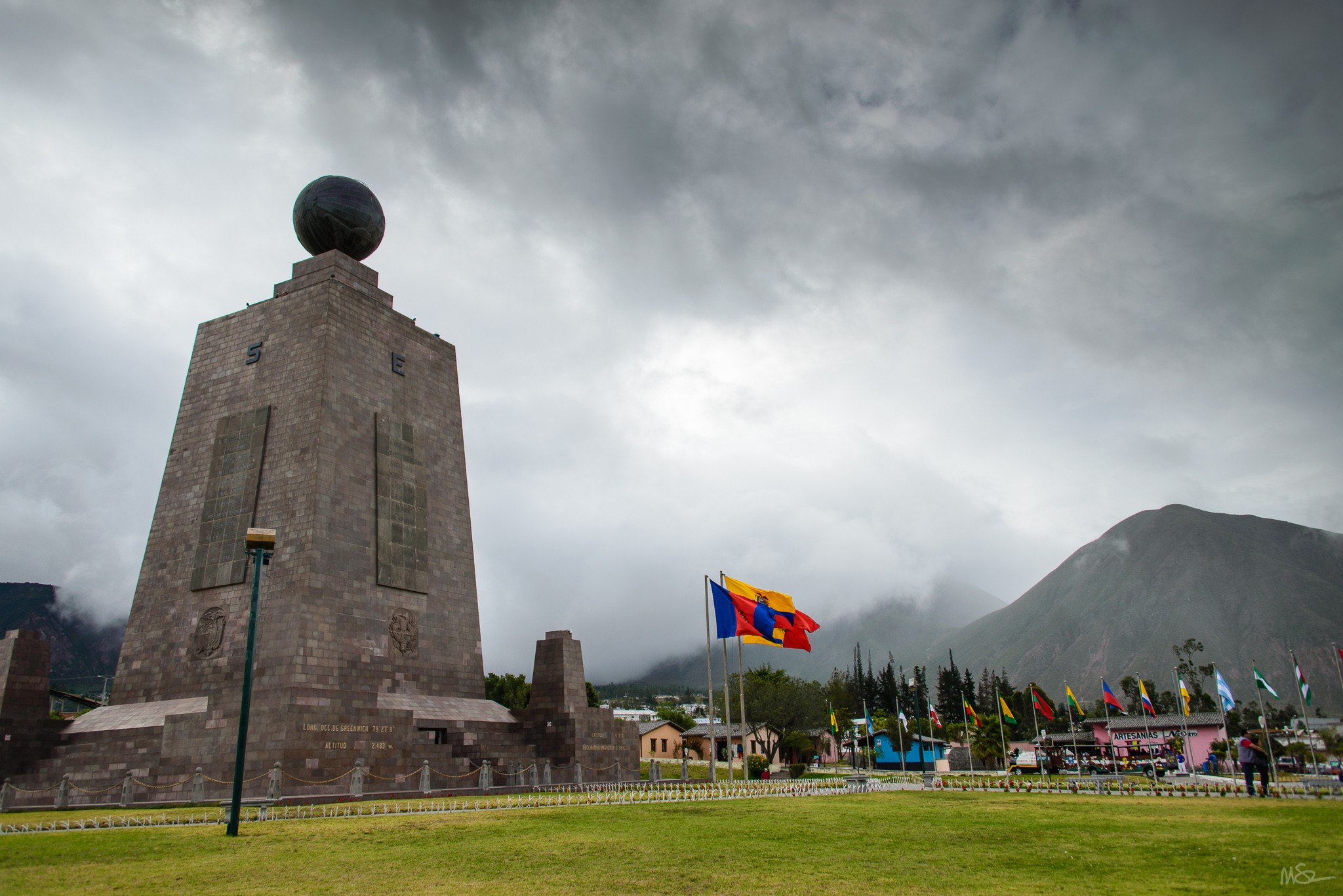
We’re heading out to dinner soon. Early tomorrow morning we fly to San Cristobal Island and begin to explore the Galápagos Islands!
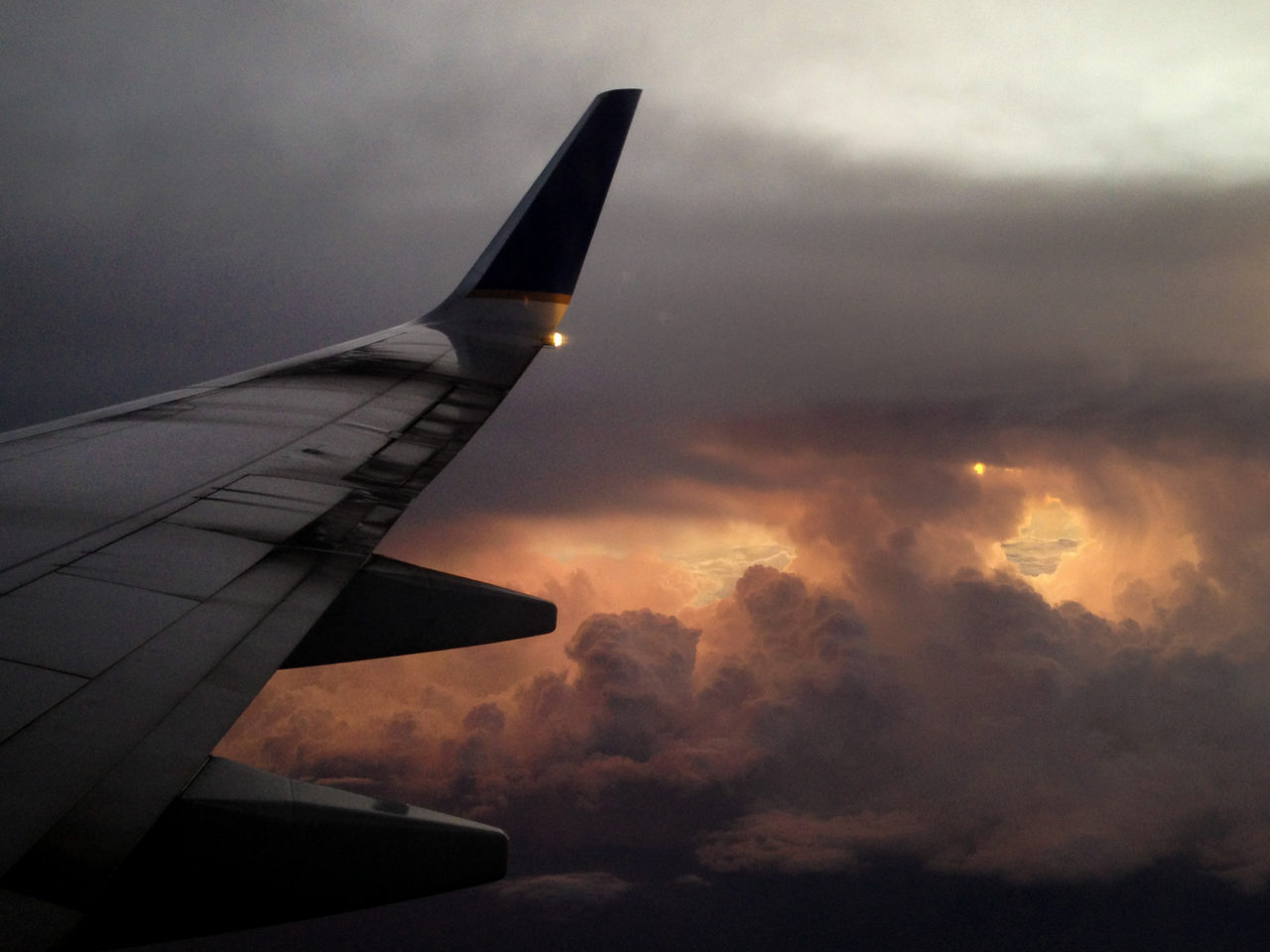
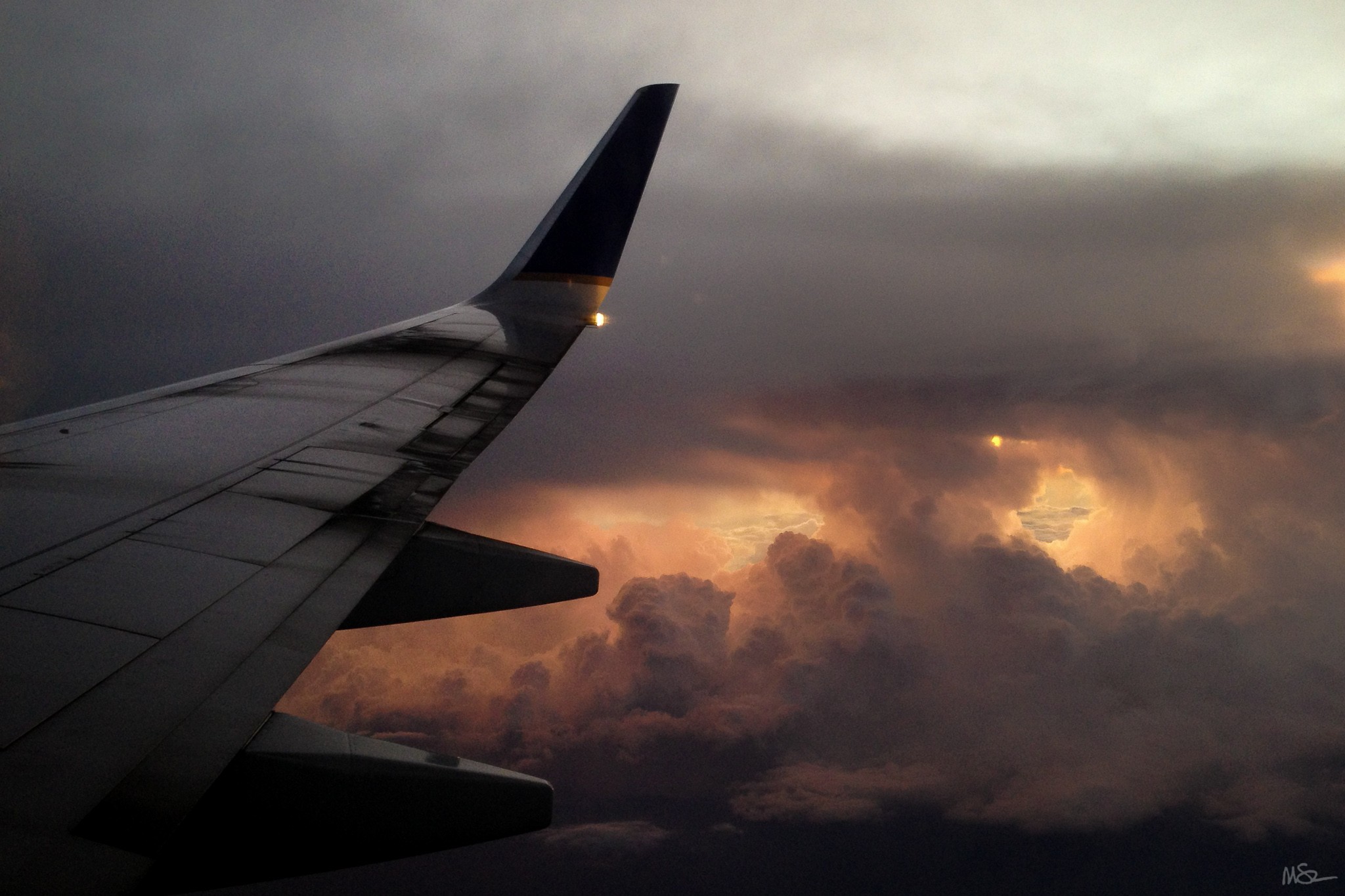
After a long day of travel we have arrived in Quito, Ecuador. It’s about 10:45p, on Friday night and pretty foggy on an early fall evening in the Southern Hemisphere. Heading to our Quito hotel now. Great sunset on the way here over the Gulf of Mexico.
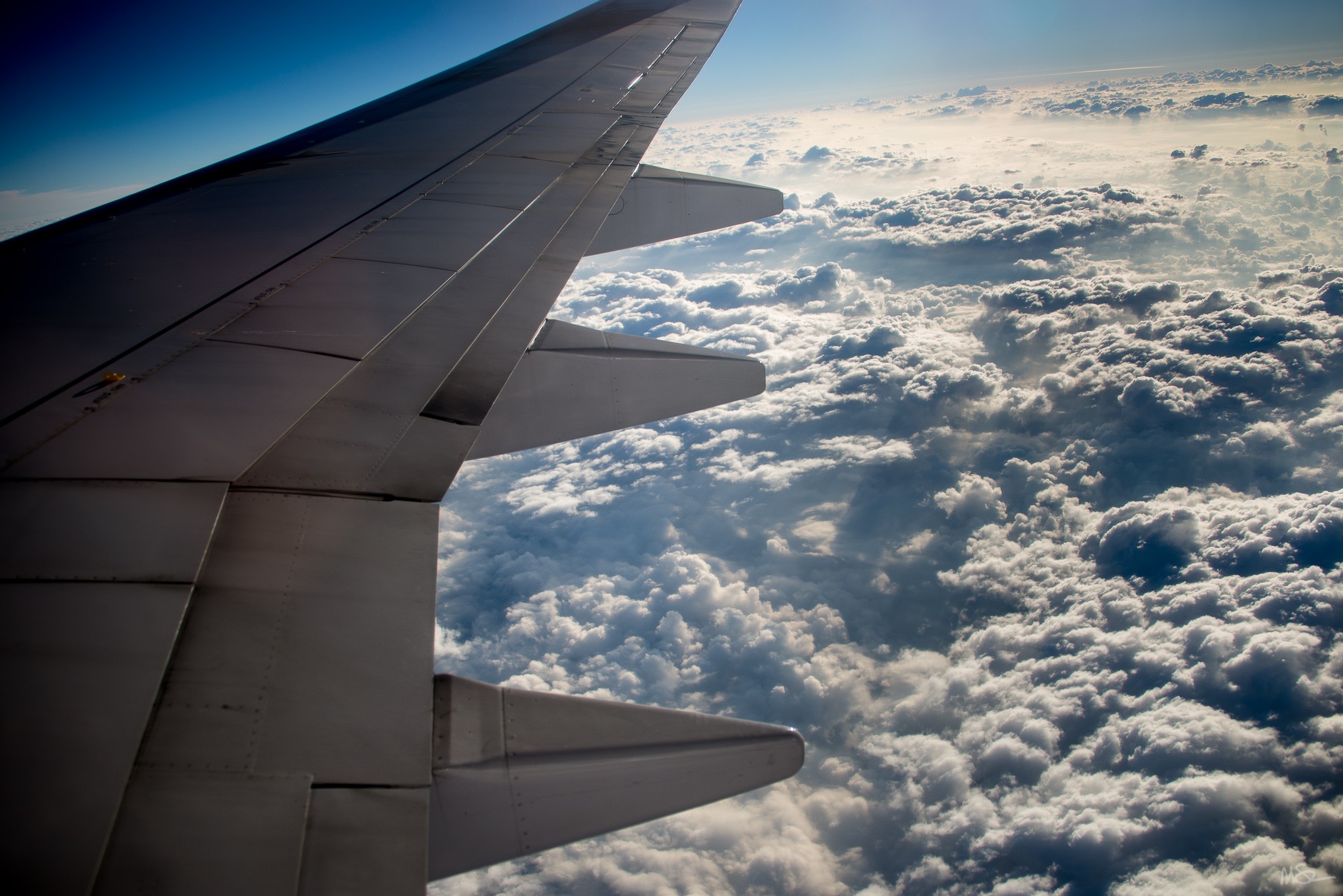
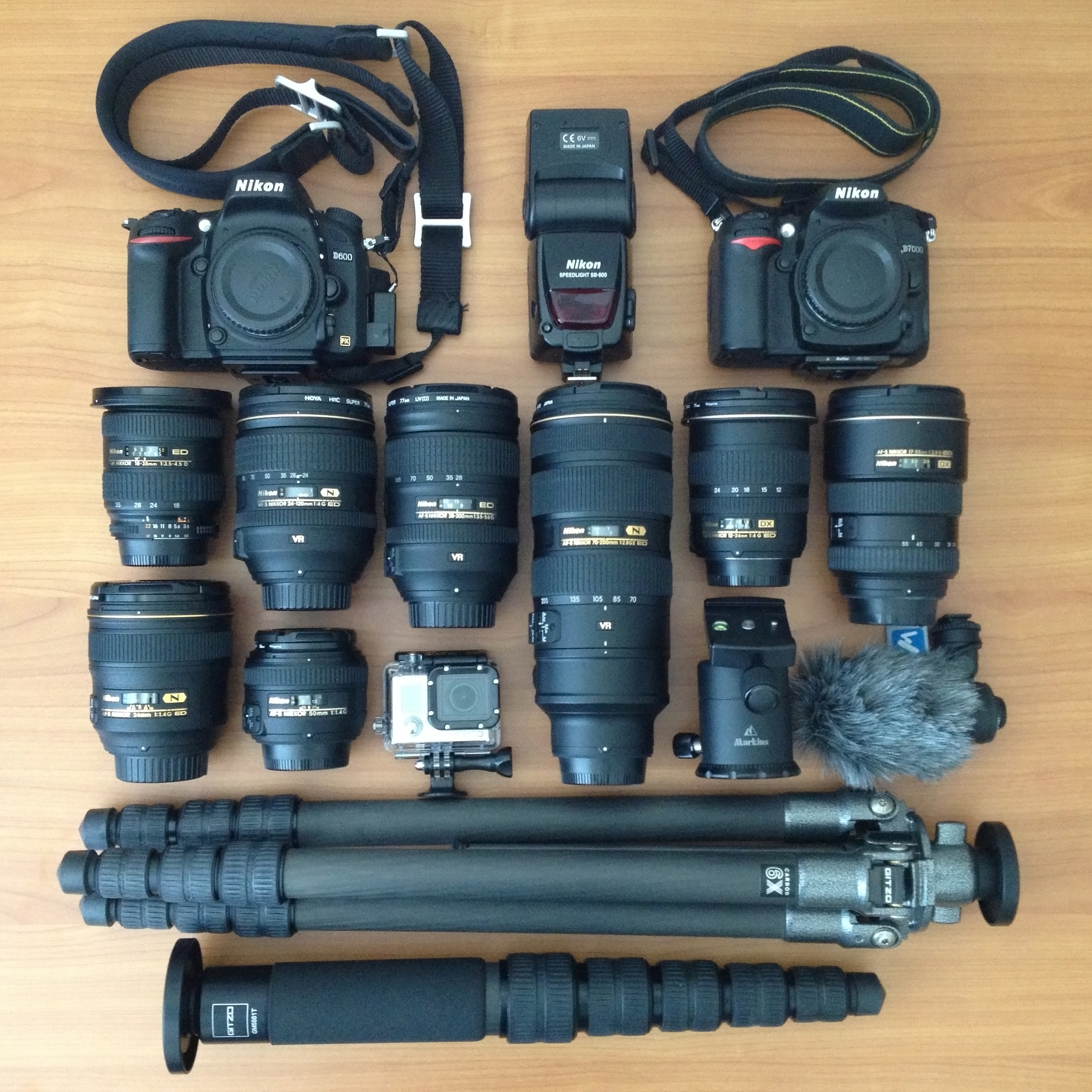
Here is the current set of gear …
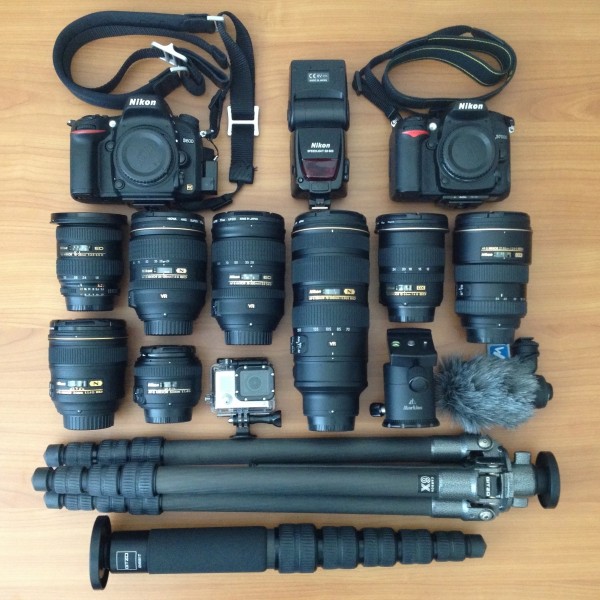
… and the complete gear list:
FX Body Nikon
D600 24 MP DSLR
FX Zoom Lenses
NIKKOR 18-35mm f/3.5-4.5D IF-ED – Wide Angle Zoom
AF-S NIKKOR 24-120mm f/4G ED VR – Standard Zoom
AF-S NIKKOR 70-200mm f/2.8G ED VR II – Telephoto Zoom
AF-S NIKKOR 28-300mm f/3.5-5.6G ED VR – Travel Zoom
FX Prime Lenses
AF-S NIKKOR 24mm f/1.4G ED – Wide Angle Prime
AF-S NIKKOR 50mm f/1.4G – Normal Prime
DX Body
Nikon D7000 16 MP DSLR
DX Zoom Lenses
AF-S DX Zoom-Nikkor 12-24mm f/4G IF-ED – Wide Angle Zoom
AF-S DX Zoom-Nikkor 17-55mm f/2.8G IF-ED – Standard Zoom
Support
Gitzo GT2541 Series 2 Carbon 6X4 Section Tripod
Markins Q-Ball Q10 Ballhead
Gitzo GM5561T Traveler 6x Carbon Fiber Monopod
Nikon SB-800 AF Speedlight
Luma Labs Cinch Camera Strap
Post-Production
Mac Pro 3.33 GHz 6-Core Intel Xeon
Adobe Photoshop Lightroom
Adobe Photoshop
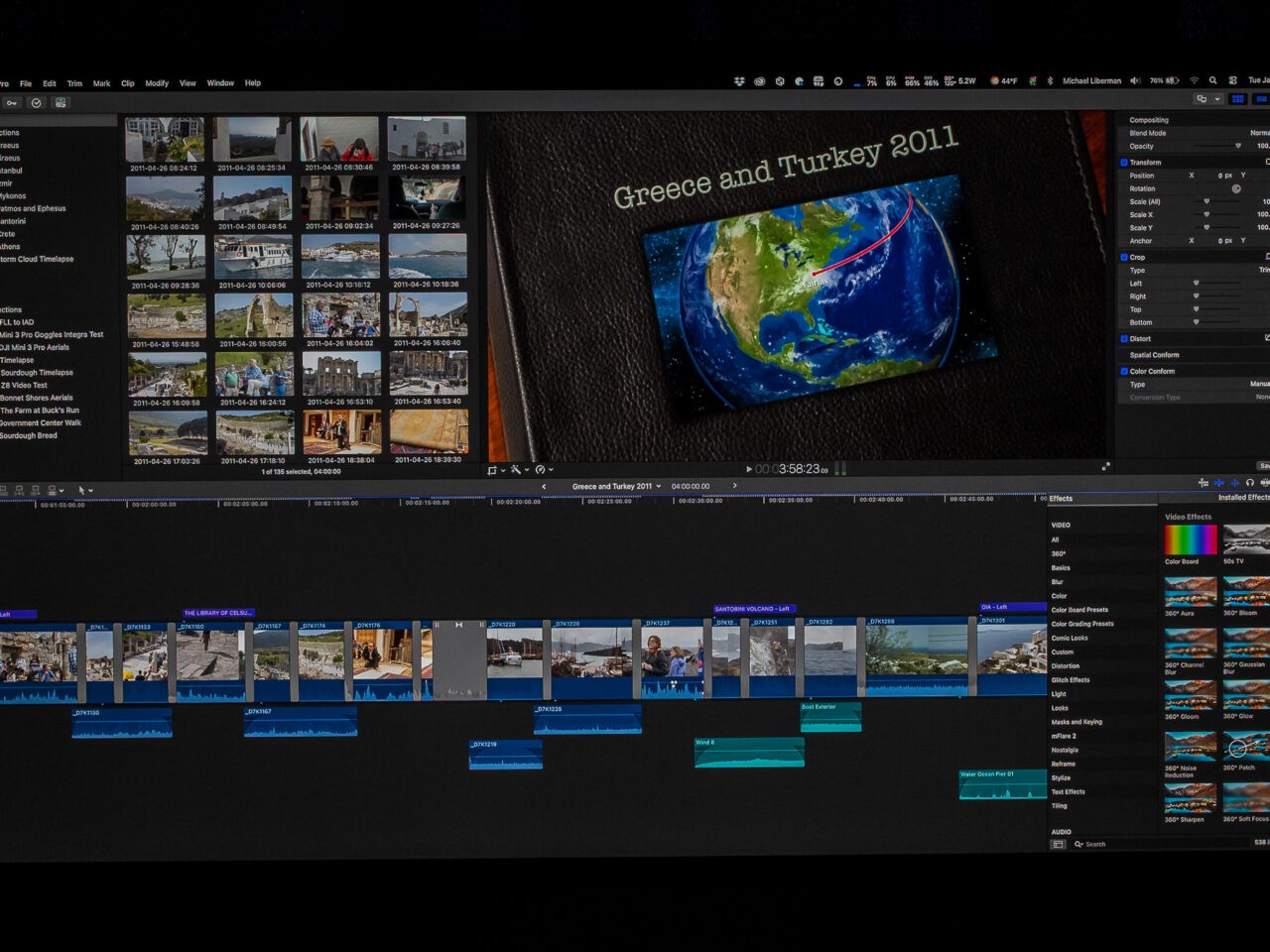
Final Cut Pro X
Note: This post is way overdue. I usually write these post-trip gear and workflow reviews a couple of months after I get home. I’m writing this in January 2026 – about 15 years after the Greece and Turkey trip – but dating this as June 1, 2011 like it was posted just a couple of months after returning.
After packing a compact digital camera and a camcorder to document previous international travel I was ready for a camera that could record both high quality stills and video. The Nikon D100 was announced in February 2002 and I made the decision to make the DSLR move with this camera about 18 months later in November 2003. The D100 was an outstanding camera for making this transition, but was a stills-only camera. Nearly 5 years later, in August 2008, Nikon announced the D90 its first DSLR with video capability, but I wasn’t convinced it was time for a new DSLR yet. In 2009 I made trips to China and London and Paris, traveling with both a Canon HV10 camcorder and a Ricoh GR Digital II compact digital camera instead of a DSLR. Then Nikon announced the DX format D7000 in September 2010, just about a year after I returned from London and Paris. This new DSLR featured an ASP-C format 16.2 megapixel image sensor and full HD 1080p capability. A single camera I could travel with and use for both stills and video. Three months later I bought one to bring along to Greece and Turkey.
I already had an assortment of NIKKOR glass to go along with the D100, so for this trip I packed the 12-24mm f/4.0, the 24mm f/2.8, and the 17-55mm f 2.8. Looking back it’s an interesting selection without any telephoto reach, likely stemming from my experience using the Ricoh and its 28mm fixed-lens on prior trips. I also packed the GR Digital II, Blackberry 9300 for work, and iPhone 3GS. The gear was packed into a generic backpack with a camera insert to protect the D7000 and lenses. Greece and Turkey was a cruise, so I could unpack once, keep the gear in the room safe, and only bring what was needed on the daily excursions.
The Nikon D7000 holds two SDHC memory cards. For this trip I brought along two 16 GB Lexar Professional SDHC Class 10 cards. At roughly 20 MB per raw photo (NEF format), each 16 GB card could hold about 400-500 images. I used the card in Slot 1 to store the raw files with the card in Slot 2 set to store backup JPEGs and the movie files. Between the D7000, GR Digital II, Blackberry, and iPhone once I got home, selected and processed the keepers, I ended up with 536 photos. That’s a shooting ratio of about 60 images per day – a little more than my previous trips. For video I totaled 126 files with a running time of around 18 minutes for a total of 4.11 GB.
The Greece-Turkey trip preceded the introduction of this blog by a couple of years. So there were no daily blog updates, but I did use the iPhone 3GS camera and the Facebook app for a couple of posts each day.
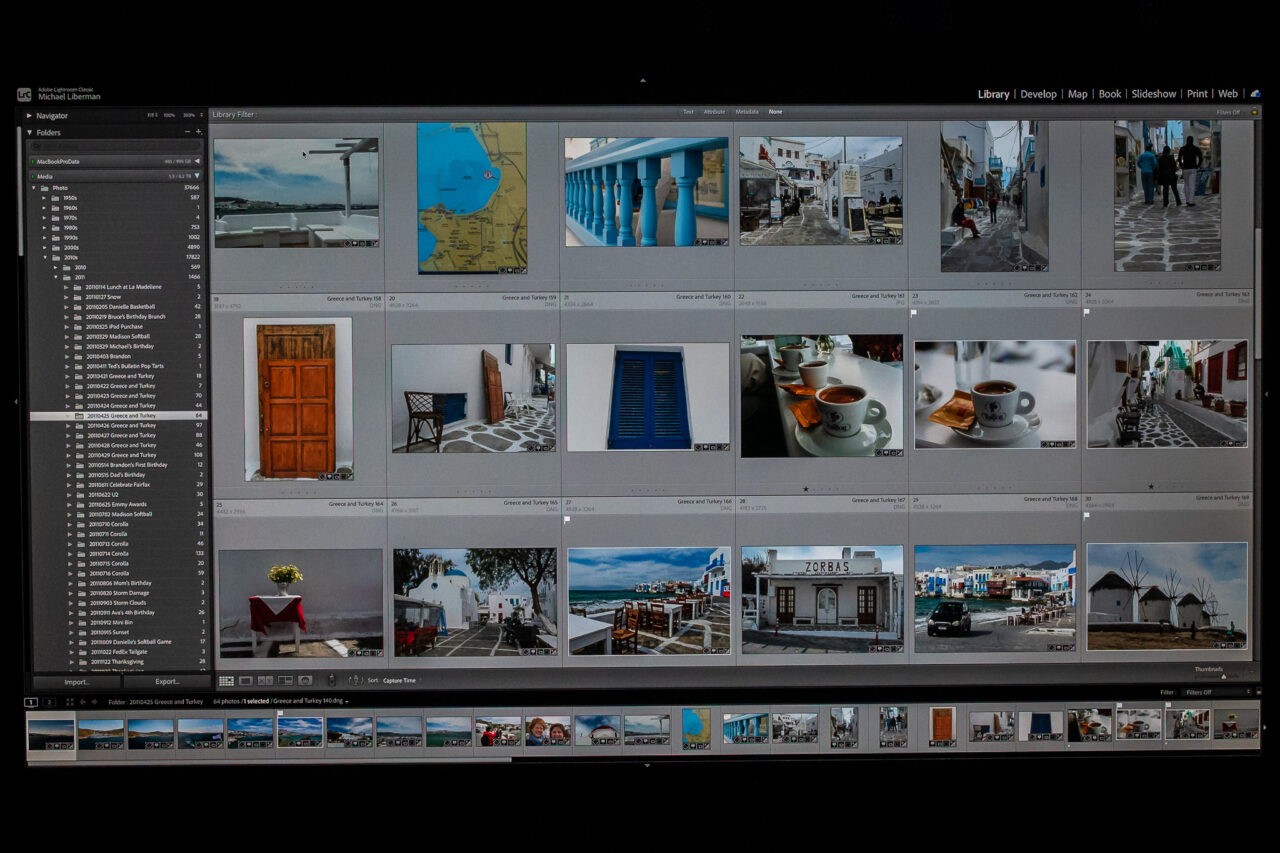
Back at home, I used my established workflows for photo and video. Photos were imported using Adobe Photoshop Lightroom to folders named by date and location or event, duplicates and rejects were deleted, files were renamed by location or event with sequential numbers, keyworded, geoencoded, captioned, and post-processed. As a precursor to this blog I uploaded trip photos to a SmugMug gallery in early June, 2011. Work on this blog wouldn’t start for another 18 months.
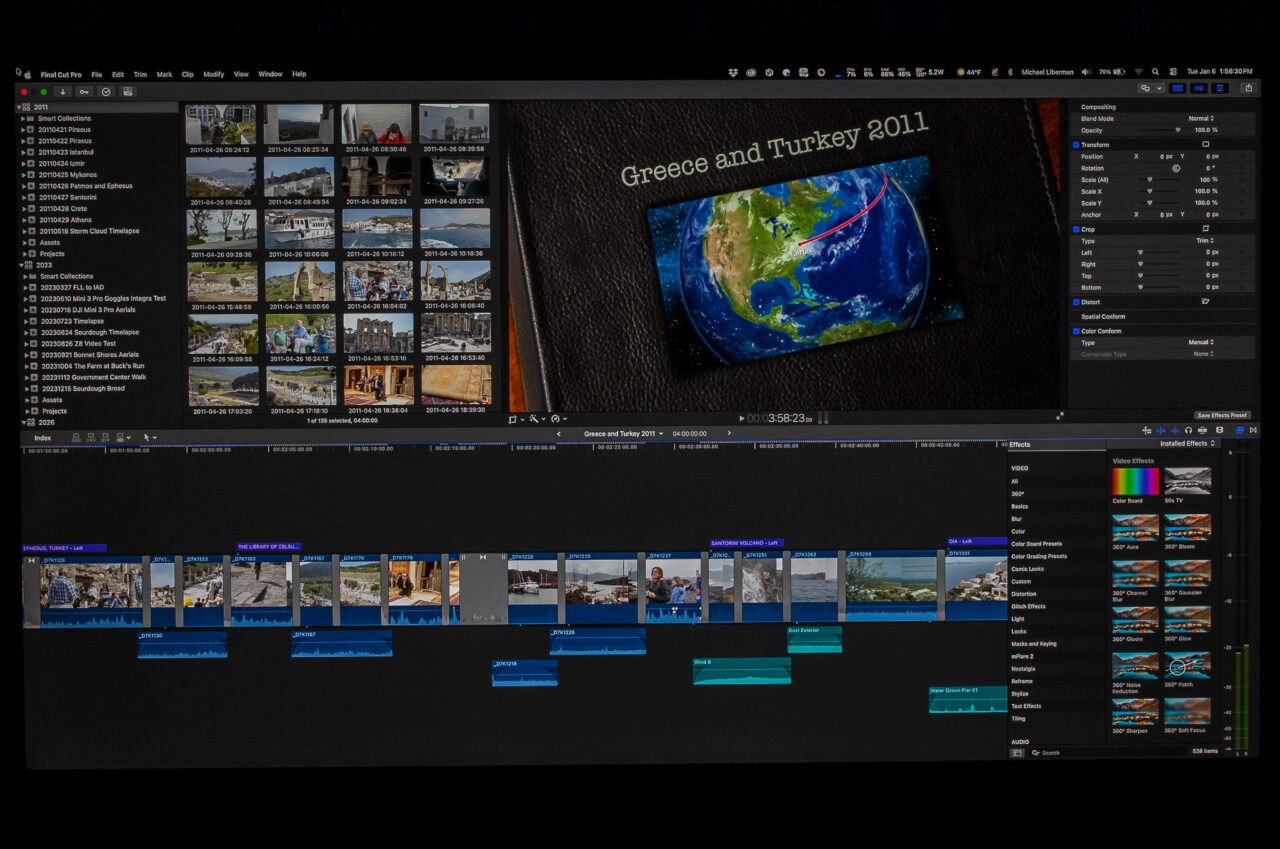
All video was digitized to events named by date and location or event in Final Cut Pro X. The edit process took 29.5 hours starting September 26, 2012 and finishing April 13, 2013. I made sure to finish before departing on the next trip at the end of April. (In my early days of travel the goal was to complete photo processing and video editing before departing to the next travel destination. That worked while the trips were space out every couple of years, but once we increased the pace to yearly trips I couldn’t keep up!)
The Nikon D7000 performed incredibly well on this trip, surpassing my expectations with outstanding picture and video quality. Even so this was my only international trip with the D7000. In September 2012, Nikon would release the full-frame D600 DSLR. I bought my mine a month later to bring to the Galápagos Islands.


 Michael S. Liberman